If you are thinking about buying a second home or investment property in Delray Beach, the biggest question is not just whether you can buy here. It is whether you can buy the right property for the way you want to use it. Between seasonal demand, condo rules, coastal carrying costs, and a wide range of price points, Delray rewards buyers who look past the brochure and study the details. This guide will help you understand how the market works, what to compare, and where due diligence matters most. Let’s dive in.
Why Delray draws second-home buyers
Delray Beach sits in a useful middle ground for many buyers. It offers a coastal Palm Beach County lifestyle, but it is not priced like Palm Beach, and it is not always moving at the pace of the tightest luxury markets.
Current market data supports that balanced position. Delray Beach shows a median sale price of $545,000 over the last three months and about 90 days on market, with 2,006 homes for sale and 1,233 rentals as of April 2026. For you as a buyer, that can mean more room to compare neighborhoods, ownership structures, and carrying costs before making a decision.
Palm Beach County’s strong visitor economy also shapes the second-home story. The county reported 10.58 million visitors in fiscal year 2025, and tourism remains one of its top industries. That matters because seasonal demand can support winter use and rental interest, but it also makes management, occupancy planning, and off-season strategy important.
Delray is not one market
One of the biggest mistakes buyers make is treating Delray Beach like a single, uniform market. In reality, the city includes very different price points, property styles, and ownership experiences.
Neighborhood-level listing data shows how wide that range can be. Median listing prices run from about $129,900 in Kings Point and $170,000 in Villages of Oriole to $204,200 in Palm Greens, while the Delray Beach Association area is much higher at $1.3625 million. That spread tells you something important: your budget may open up very different options depending on where and how you want to own.
For second-home and investor buyers, that usually means starting with use case first. Do you want low-maintenance living, more privacy, a lock-and-leave setup, or a property that may support seasonal rental use? Your answer should shape your search more than a broad citywide average.
Compare single-family and condo ownership
Single-family homes offer privacy and control
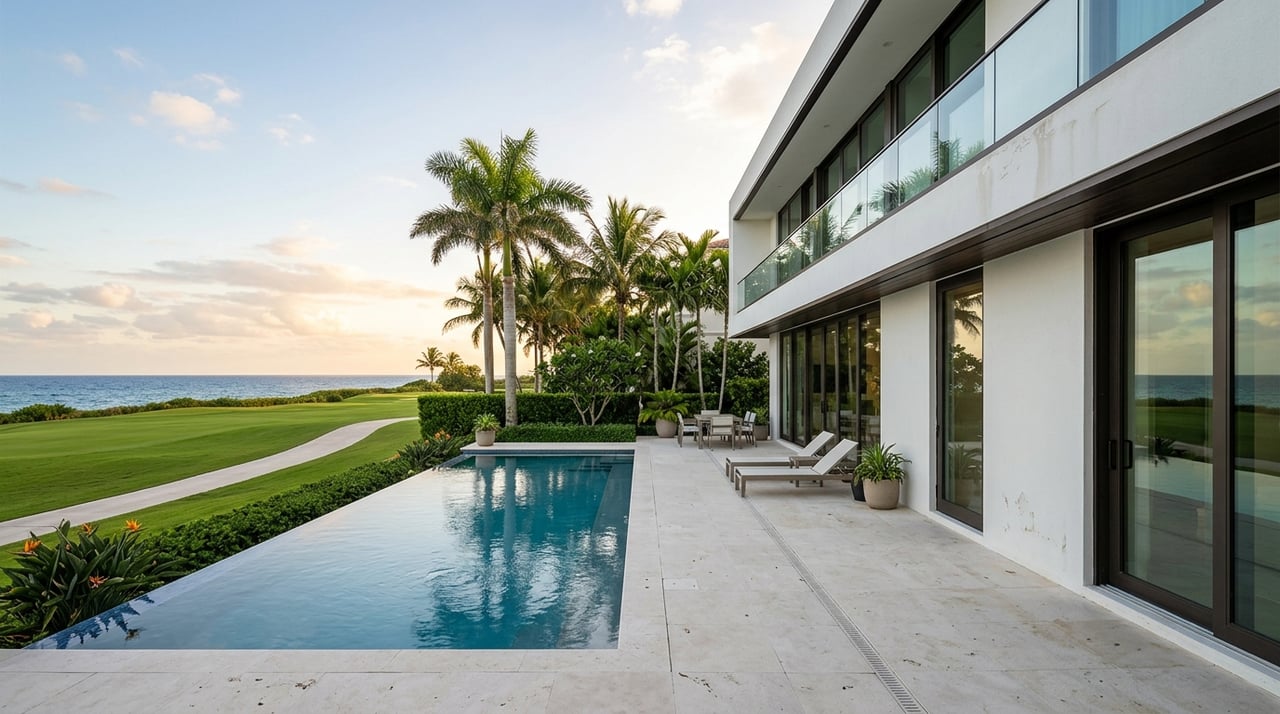
If you want more privacy, outdoor space, and flexibility, single-family homes may be the better fit. In Florida Realtors' 2025 county metrics, Delray Beach recorded 634 closed single-family sales, a median sale price of $755,000, a median time to contract of 52 days, and 5.5 months of inventory.
That profile may appeal to buyers who want a more independent ownership experience. Still, with that flexibility often comes more responsibility for maintenance, insurance review, roof condition, landscaping, and storm preparation.
Condos and townhomes can simplify ownership
If convenience is the priority, condos and townhomes may be attractive. In the citywide Q1 2026 condo and townhouse report, Delray Beach recorded 253 closed sales and 6.4 months of inventory, while Palm Beach County overall showed 8.5 months of condo and townhome supply.
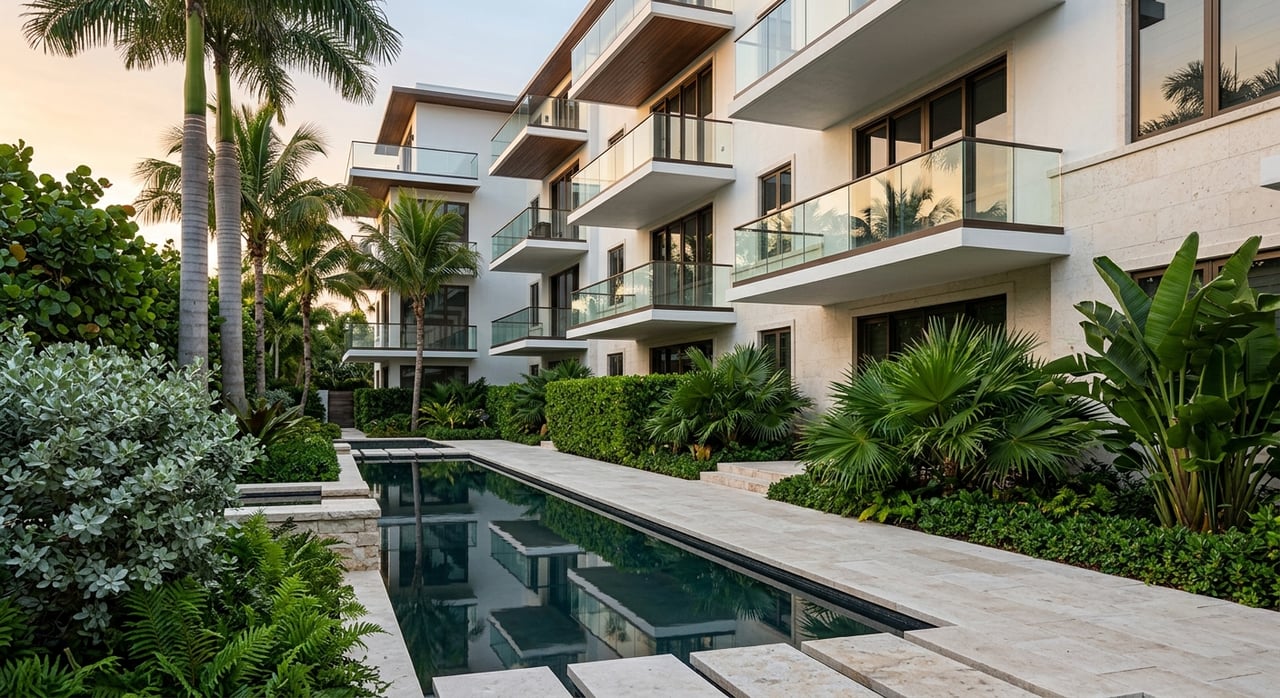
For many seasonal owners, this category can offer a more manageable lock-and-leave lifestyle. But it also requires close review of HOA governance, reserve funding, rental rules, building age, and any assessment history before you commit.
Why condo due diligence matters more now
Older coastal condo buildings need a more careful review than many buyers expect. In Florida, condominium and cooperative buildings that are three stories or higher are generally subject to milestone inspection requirements at 30 years of age, or 25 years if the building is within three miles of the coast.
Florida law also requires structural integrity reserve studies at least every 10 years for qualifying residential condo associations. For you, that means the inspection status, reserve funding, and any special-assessment history should be part of your core underwriting, not a last-minute review item.
This is especially important if you are comparing two properties with similar list prices. A lower purchase price can be offset quickly by future assessments, deferred maintenance, or underfunded reserves.
Understand rental potential realistically
Delray Beach can make sense for buyers who want some rental flexibility, especially around seasonal demand. Realtor.com reports a median rent of $2,697 in Delray, compared with $2,950 in Boca Raton, $2,275 in West Palm Beach, and $12,000 in Palm Beach.
That places Delray in a middle position within the coastal corridor. It is not the lowest-cost entry point, and it is not an ultra-luxury rental market like Palm Beach. For many buyers, that balance is part of the appeal.
Still, rental potential should be viewed carefully. Income depends on the exact property, furnishing level, location, association rules, management quality, and how often you plan to use the home yourself.
Check local rental rules before you buy
A property that looks like a great seasonal rental on paper may not work the way you expect in practice. Delray Beach has zoning language that defines transient residential use differently depending on the zoning district.
In single-family, rural residential, and planned residential development districts, transient residential use is defined as occupancy turnover more often than three times in one year. In low-density and medium-density residential districts, it is defined as turnover more often than six times in one year. That is why you should verify the zoning district, property type, and association rules before relying on short-term rental assumptions.
This is one of the most important steps for second-home and investor buyers. The right address is not just about the home itself. It is also about whether your intended use is actually allowed.
Know the tax and homestead basics
If you may rent the property for shorter stays, taxes matter. Florida’s state sales tax is 6%, and counties may levy transient rental taxes on accommodations rented for six months or less. In Palm Beach County, the Tourist Development Tax is 6% on transient rentals of six months or less.
The practical takeaway is simple. If you are underwriting short-term or seasonal income, you should confirm the exact tax treatment with your CPA or tax preparer before you buy.
You should also separate second-home assumptions from primary-residence tax benefits. Palm Beach County’s Property Appraiser states that the homestead exemption is for a permanent residence, with filing by March 1, and rental activity can affect eligibility.
Coastal risk should shape your budget
In South Florida, carrying cost is about more than your mortgage. Insurance, flood exposure, wind exposure, roof age, elevation, and building condition can change the numbers in a meaningful way.
Climate-risk data shows severe flood exposure for 29% of Delray Beach properties, compared with 35% in Boca Raton, 27% in West Palm Beach, and 93% in Palm Beach. All four markets also carry extreme wind exposure. That means insurance quotes, flood zone status, and roof condition should be part of your early review, not something you leave until the end.
For second-home buyers, this is especially important because a beautiful coastal property can have a very different ownership cost profile than it first appears. For investors, it directly affects net returns.
How Delray compares with nearby markets
If you are choosing between Delray Beach and nearby coastal cities, the numbers help frame the decision.
| Market | Median Sale Price | Days on Market | Median Rent |
|---|---|---|---|
| Delray Beach | $545K | 90 | $2,697 |
| Boca Raton | $831K | 77 | $2,950 |
| West Palm Beach | $512K | 85 | $2,275 |
| Palm Beach | $2.6M | 114 | $12,000 |
Directionally, Delray often lands between Boca Raton’s higher price point and West Palm Beach’s lower entry price, while Palm Beach operates in a very different luxury tier. For many second-home and investor buyers, that makes Delray feel like a balance of lifestyle, relative liquidity, and manageability.
That does not make it simple. It just means the opportunity is often more nuanced. The best fit depends on how much maintenance you want, what kind of rental use you are considering, and how comfortable you are with local rules and coastal carrying costs.
A smart buying checklist for Delray
Before you make an offer, it helps to review the details that most often change the deal:
- Confirm the property type and ownership structure
- Review zoning and any rental-use restrictions
- Read condo or HOA rules carefully
- Check milestone inspection status for qualifying buildings
- Review reserve funding and special-assessment history
- Get insurance quotes early
- Verify flood zone status, roof age, and building condition
- Separate second-home use from homestead expectations
- Underwrite seasonal vacancy and off-season demand realistically
- Build your team before closing, including a Florida CPA or tax adviser, attorney, insurer, and property manager if needed
In Delray Beach, the best purchases are usually the ones that look strong both as a lifestyle choice and as an ownership model. That takes discipline, but it can also help you avoid costly surprises.
If you want help comparing Delray neighborhoods, evaluating ownership options, or pressure-testing a second-home or investment purchase, Wendy Paskow offers a high-touch, locally informed approach tailored to how you plan to live, invest, and hold.
FAQs
What makes Delray Beach appealing for a second home?
- Delray Beach offers a coastal Palm Beach County lifestyle with a median sale price of $545,000, about 90 days on market, and a wide range of inventory, which can give buyers more time and choice than tighter nearby markets.
What should buyers know about Delray Beach condos?
- Buyers should review milestone inspection status, reserve studies, reserve funding, and any special-assessment history, especially in older coastal buildings that may be subject to Florida’s condo safety requirements.
Can you use a Delray Beach property as a short-term rental?
- It depends on the property type, zoning district, and association rules, since Delray Beach defines transient residential use differently across zoning categories.
How does Delray Beach compare with Boca Raton and West Palm Beach?
- Delray generally sits between Boca Raton and West Palm Beach on pricing and rents, which can make it appealing if you want a balance of coastal lifestyle, access, and manageable entry point.
What taxes matter for Delray Beach seasonal rentals?
- Florida has a 6% state sales tax, and Palm Beach County applies a 6% Tourist Development Tax on transient rentals of six months or less, so buyers should confirm exact treatment with their CPA or tax preparer.
What risks should buyers review before buying in Delray Beach?
- You should review flood exposure, wind exposure, insurance costs, roof age, elevation, building condition, and HOA or condo financial health, since these items can materially affect carrying costs and resale flexibility.